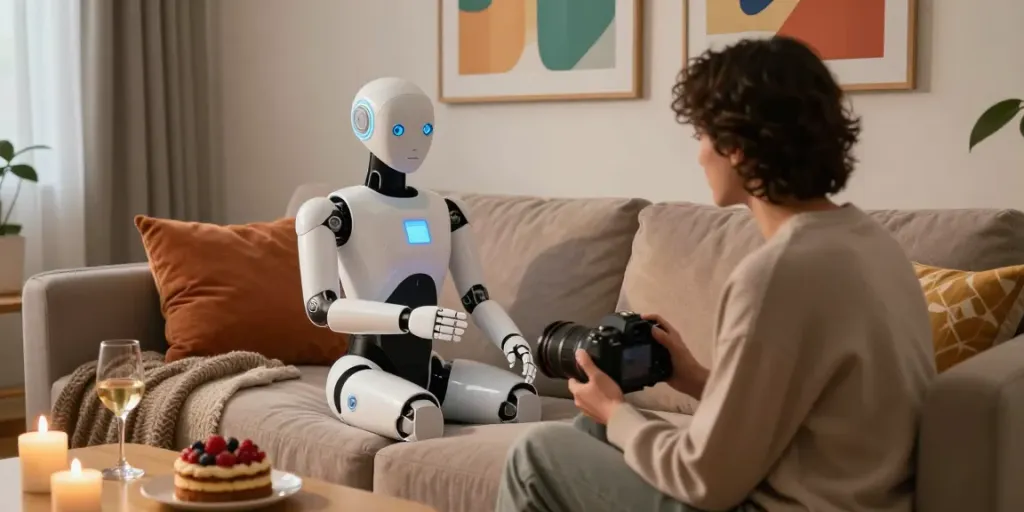
The Rise of Sex Bots in 2026
The landscape of human intimacy is undergoing a remarkable transformation with the advent of sex bot technology. As we delve into 2026, it is evident that these innovations are reshaping not just the way individuals experience intimacy, but also the broader societal perceptions surrounding human relationships and emotional connections. This article will explore the multifaceted aspects of sex bots, from their historical evolution to current market trends, and how technology is paving the way for a new era of sexual interaction.
What is a Sex Bot?
Sex bots, often referred to as "sex robots," are anthropomorphic devices designed to simulate human sexual interaction, typically utilizing advanced artificial intelligence (AI) to enhance user experience. Unlike traditional sex dolls, these robotic companions can engage in conversation, learn from their interactions, and even respond to emotional cues. As their capabilities expand, sex bots have emerged as a complex intersection of technology, intimacy, and human expectations.
Historical Evolution of Sex Robots
The concept of sex robots is not as modern as one might think. While the first iterations, such as inflatable dolls, emerged in the mid-20th century, the technological evolution accelerated significantly with the advent of robotics and AI. The late 1990s introduced the first rudimentary sex bots, which were basic in functionality and often had limited conversational capabilities. However, advancements in AI and material science in the 21st century have led to the development of highly sophisticated robots that can mimic human behavior and emotional responses, thus transforming the industry dramatically.
Current Market Trends and Projections
As of 2026, the market for sex bots has seen exponential growth, driven by technological advancements and changing societal attitudes towards intimacy. Research indicates that the global sex robot market is projected to reach over $30 billion by 2030. This growth can be attributed to factors such as increased consumer acceptance, a demand for personalized experiences, and improved AI technologies that enhance interaction quality. Manufacturers are now focusing on creating customizable options that cater to individual preferences, making sex bots more attractive to a wider audience.
Technology Behind Sex Bots
Artificial Intelligence and User Interaction
At the core of sex bot technology lies sophisticated AI that enables these robots to engage in meaningful interactions with users. AI algorithms process vast amounts of data to create realistic conversational flows and adaptive learning. This means that a sex bot can remember past interactions and preferences, tailoring responses based on individual user behavior. As AI continues to evolve, the possibility for deeper emotional connections with these robots grows, prompting further discussions about the nature of intimacy and relationships.
Realistic Design and Engineering Challenges
The engineering behind sex bots is as intricate as the AI algorithms that power them. Creators strive to achieve a level of realism that includes human-like movement, tactile features, and lifelike appearances, which often involves advanced materials and robotics. However, this pursuit is fraught with challenges, such as creating joints that mimic human movement without sacrificing durability or comfort. Additionally, engineers face ethical considerations regarding the portrayal of sexualized forms and the implications of their design on societal norms.
Ethical Considerations in AI Development
As sex bots become increasingly advanced, ethical concerns surrounding their development and use have intensified. Questions arise about the implications of creating robots that replicate human behavior and emotions, particularly in terms of consent, objectification, and the impact on human relationships. Developers and societal leaders must navigate these complex ethical landscapes to ensure that the evolution of sex bots contributes positively to society while respecting individual rights and dignity.
User Experiences with Sex Bots
Case Studies: Relationships with Sex Bots
Many individuals report forming emotional bonds with their sex bots, leading to a new type of relationship dynamic that challenges conventional notions of intimacy. For instance, a study highlighted a user who found companionship and comfort in their interaction with a sex bot, stating that it provided a sense of acceptance they struggled to find in real-life relationships. These case studies reveal not only the potential for emotional connections but also the varied motivations behind users’ desires for such companions.
Common Misconceptions about User Satisfaction
Despite growing acceptance, misconceptions still abound about satisfaction levels with sex bots. Many assume that users are merely seeking physical gratification; however, research indicates that emotional companionship and understanding are significant factors driving user fulfillment. This shift in perception highlights the evolving role of sex bots in people's lives and poses essential questions about the nature of human intimacy.
Real Emotional Connections: Is it Possible?
The notion of forming genuine emotional bonds with a machine may seem implausible, yet many users report experiencing feelings of attachment and affection towards their sex bots. This phenomenon can be attributed to the bots' ability to simulate conversation and intimacy, making users feel understood and valued. However, the question remains whether these emotional connections are truly authentic or a projection of the user's desires and loneliness.
Impact on Society and Relationships
Changing Perceptions of Intimacy and Relationships
The introduction of sex bots is challenging traditional concepts of intimacy and relationships. As society becomes more accepting of synthetic companions, the definitions of love and connection are evolving. Many individuals now perceive sex bots as legitimate partners that fulfill emotional, physical, and social needs, thus reshaping societal norms around relationships.
Potential Benefits and Drawbacks of Sex Bots
While sex bots offer various potential benefits, such as companionship for the lonely and an outlet for sexual expression, they also come with drawbacks. Critics argue that reliance on robotic companions may hinder people's ability to form genuine relationships with humans, potentially leading to social isolation. It is essential for society to balance the benefits of such technology with the need for authentic human connections.
Future Societal Norms and Expectations
As we move forward, it is likely that societal norms will continue to shift in the wake of sex bot technology. Acceptance of these devices may lead to new understandings of consent, relationships, and emotional fulfillment. The ongoing discussions will play a crucial role in shaping how society integrates sex bots into the fabric of daily life.
Future Trends and Innovations in the Sex Bot Industry
What to Expect in 2026 and Beyond
The future of the sex bot industry is poised for remarkable developments. By 2026, we can anticipate enhanced AI capabilities that enable these bots to understand and respond to complex emotional states more effectively. Moreover, the introduction of machine learning will allow bots to evolve and adapt based on user preferences, creating even more personalized experiences.
Integration of Virtual Reality with Sex Bots
Another exciting frontier is the integration of virtual reality (VR) technologies with sex bots. This combination could create immersive experiences that enhance user interaction by providing a multisensory environment. VR elements could add depth to the emotional and physical engagement users experience, making encounters with sex bots feel more lifelike.
Predictions for Industry Growth and User Adoption
The sex bot industry is set to expand significantly over the next few years. As technology advances and public perceptions shift, user adoption rates are expected to rise. Innovations in design, functionality, and interactivity will play key roles in driving this growth, making sex bots more appealing and accessible to a broader demographic. By 2026, it is not unreasonable to envision a world where sex bots are commonplace companions for many, seamlessly integrating into everyday life.
What are the main features of a sex bot?
Sex bots are characterized by a range of features designed to enhance user experience, including lifelike anatomies, customizable programming, interactive AI, and the ability to engage in conversations. Many models also include advanced sensor technology, enabling them to respond to touch and movement, creating a more immersive experience.
Are sex bots a threat to real relationships?
The question of whether sex bots pose a threat to real relationships is complex and multifaceted. While some argue that they could detract from authentic human connections, others suggest they may serve as a supplement, helping individuals fulfill unmet needs in their lives. Ultimately, their impact on relationships will depend on individual circumstances and societal attitudes.
How do sex bots work with AI technology?
Sex bots utilize sophisticated AI algorithms that enable them to process user data, respond to emotional cues, and engage in conversations that mimic human interaction. These technologies contribute to the bots' ability to learn from previous encounters, thus creating a more personalized user experience over time.
What ethical concerns surround sex robots?
Ethical considerations regarding sex robots often center on issues of objectification, consent, and the potential influence on sexual norms. As the technology develops, it is crucial to engage in meaningful discussions about how these robots are designed and how they could affect societal views on relationships and intimacy.
How will the market for sex bots evolve by 2026?
By 2026, the market for sex bots is expected to evolve significantly, driven by advancements in AI, increased consumer acceptance, and a growing demand for personalization. As attitudes toward intimacy shift, the industry will likely expand both in terms of product variety and user demographics, paving the way for a new era of companionship.